how-to · 15 nov 2026
How to Write a Design Brief for a Club Night Poster: 10 Things to Include (Free Template)
You need a poster for Saturday, so you send a designer a WhatsApp: “house night, something dark, lineup to follow.” Three drafts later, the DJ’s name is spelt wrong and nobody asked about the Instagram story size. A one-page brief stops all of that. Here is how to write a design brief that gets it right first time, with a template you can copy.
By Trip · 4 min read
What is a design brief?
A design brief is a short note that tells a designer everything they need before they start: what the event is, who it is for, what has to be on the artwork and when you need it. Mind Tools puts it simply: the clearer the brief, the more likely you get what you wanted first time. For a club night it fits on one page.
How to write a design brief: what to include
Work down this list. If you leave something out, the designer has to guess, and guesses cost you a round of changes.
- The basics. Event name, date, start and finish times, venue name and full address, and the ticket link and price.
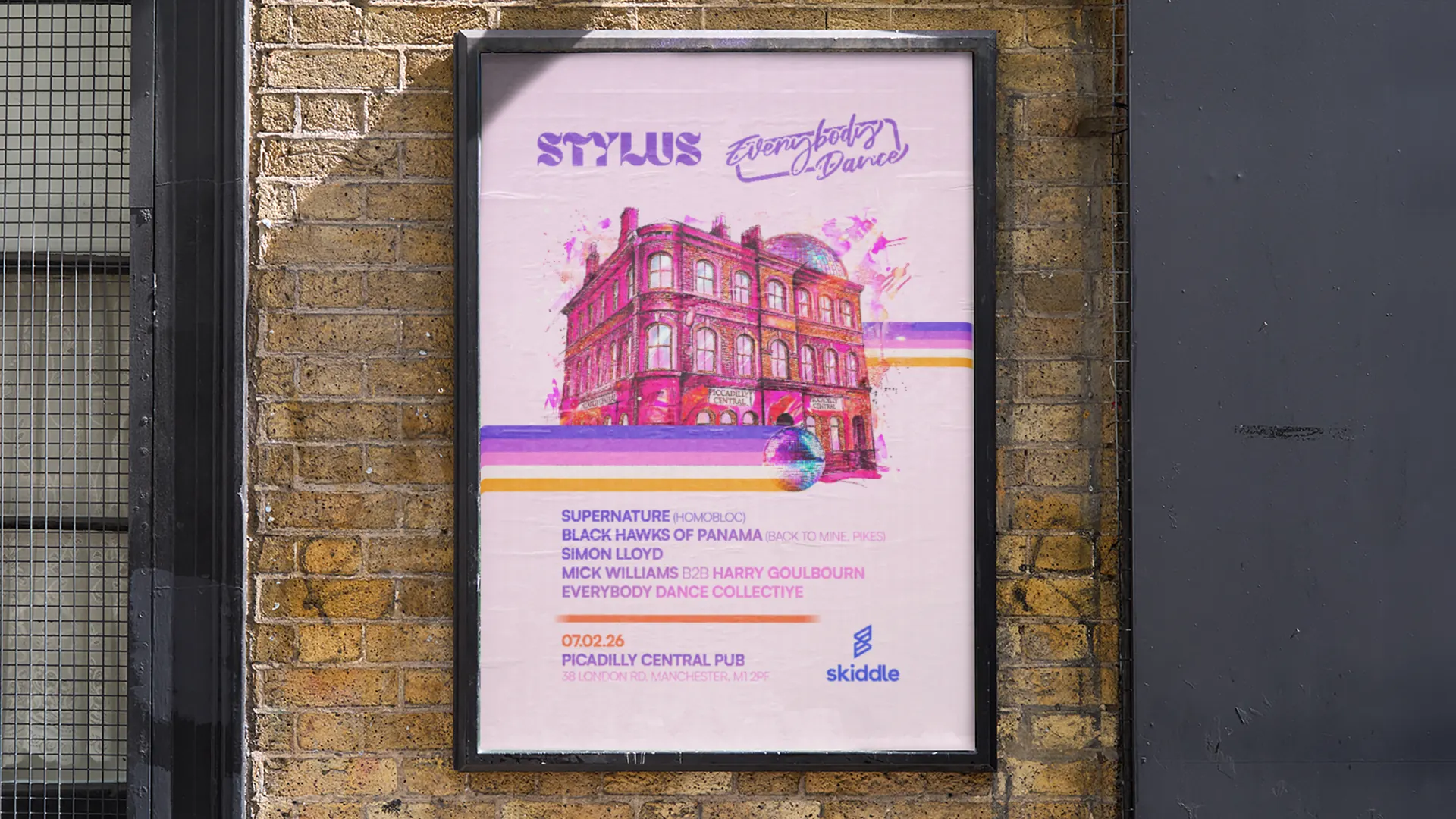
- The lineup, in billing order. Copy every name exactly as the artist writes it, with capitals, accents and symbols. Mark who is the headliner and if any set is “b2b” or “live”.
- The sound and the feel. Is it deep house in a basement or peak-time techno in a warehouse? Three words for the mood help more than a paragraph.
- Who it is for. Regulars who know the night, or new people who have never heard of it? That changes how big the name of the night needs to be.
- Every size you need. For example: A3 poster for print, 1080 x 1350 Instagram post, 1080 x 1920 story, and the banner for your ticket page. Ask your ticket site for its banner size.
- Logos. Your night’s logo, the venue’s and any sponsors’, as vector files (AI, EPS, SVG or PDF) if you have them.
- Examples you like, and why. ManyPixels makes the same point: saying why you like something is what makes it useful. “I like the big type” tells the designer more than a link on its own.
- Must-haves and no-gos. Colours you always use, words that have to be there, and anything you never want to see again.
- Deadline. When tickets go on sale, and when the printer needs the files. Work back from the earliest one.
- Budget. Say it up front. A good designer will tell you what fits it, rather than make something you cannot afford.
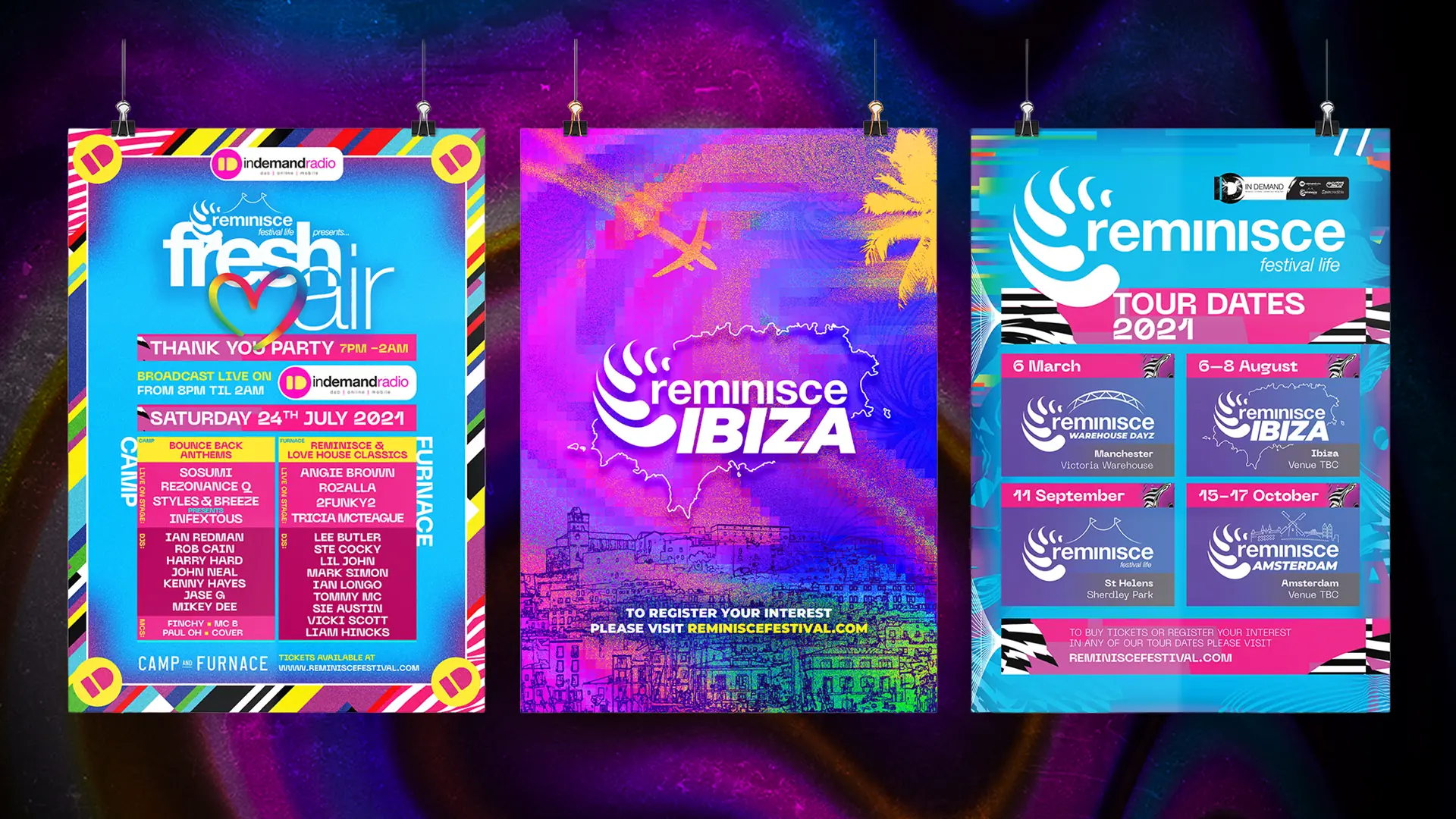
A design brief template you can copy
Copy this into an email or a note, fill in every line and send it with your logos attached.
EVENT NAME:
DATE AND TIMES:
VENUE AND ADDRESS:
TICKET LINK AND PRICE:
LINEUP (billing order, exact spellings):
THE SOUND AND THE FEEL (3 words):
WHO IT IS FOR:
SIZES NEEDED:
LOGOS ATTACHED:
EXAMPLES I LIKE, AND WHY:
MUST-HAVES:
NO-GOS:
TICKETS ON SALE:
PRINT DEADLINE:
BUDGET:
What are the most common brief mistakes?
- “Lineup to follow.” The lineup decides the whole layout. Send it with the brief, even if one name is still to be confirmed.
- Names typed from memory. Check each artist’s own page for the spelling. A wrong name on a poster is the first thing they will notice.
- Only asking for one size. A square post does not crop into a story or a poster without losing something. Ask for every size at the start.
- No print deadline. Printers need time. Leave a few days between the final files and the date you need posters on the wall.
Can you use the same brief with AI tools?
Yes. Everything above is what an AI image tool needs to know too, so the brief works as your prompt. Just check every name, date and time on what comes back, and make sure the words are real text you can edit, not part of the picture.
Want someone to do it for you?
Now you know how to write a design brief, you can use it with any designer. Trip Design makes club night posters, flyers and full social campaigns from a brief like this one. Send your brief and we reply within 2 working days.
More how-to guides on Trip. Spotted something wrong? Tell us.
share
more from the blog